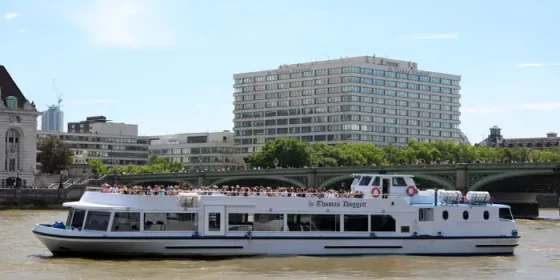
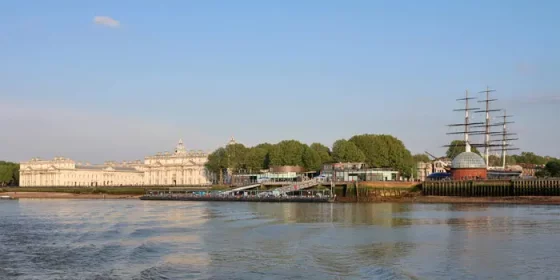
Thames River Sightseeing operate cruises between Westminster Pier, Embankment Pier, Festival Pier, Bankside Pier, Butler’s Wharf Pier & Greenwich Pier.
Bankside Pier Location
Address
Transportation
Near Bankside Pier
Royal Botanic Gardens Kew
With a wide range of flora & fauna the Royal Botanic Gardens are one of the most biodiverse locations in London. The gardens were founded as a botanic garden by Princess Augusta in 1759 & were eventually opened to the public in 1840.
- 6 Min / 0.3 Miles
Kew Palace
Kew Palace is the smallest of the Royal Palaces & is situated in the Royal Botanic Gardens. The house was built for the London silk merchant Samuel Fortrey before being purchased by George II & Queen Caroline. Kew Palace is open during the Summer months & is a must see when visiting the Royal Botanic Gardens.
- 10 Min / 0.3 Miles
London Museum of Water & Steam
The London Museum of Water & Steam is situated in the old waterworks at Brentford. The museum is home to a variety of steam engines & pumps that collectively tell the story of London’s drinking water. On select days throughout the year the museum fire up the engines for a day of steam.
- 9 Min / 0.4 Miles
Shakespeare's Globe

About Shakespeare’s Globe
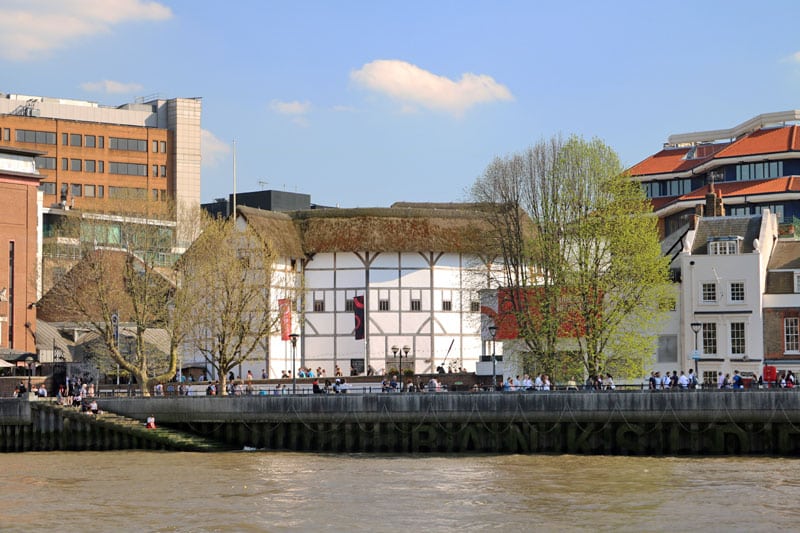
The Globe Theatre at Bankside is an authentic replica of a 16th century theatre. Shakespearean plays are regularly performed & guided tours of the theatre are also available. The Swan bar & restaurant at the Globe serves breakfast, lunch, dinner & a “Midsummer Nights Dream Afternoon Tea” inspired by the Characters of Shakespeare’s plays.
Millennium Bridge

About the Millennium Bridge
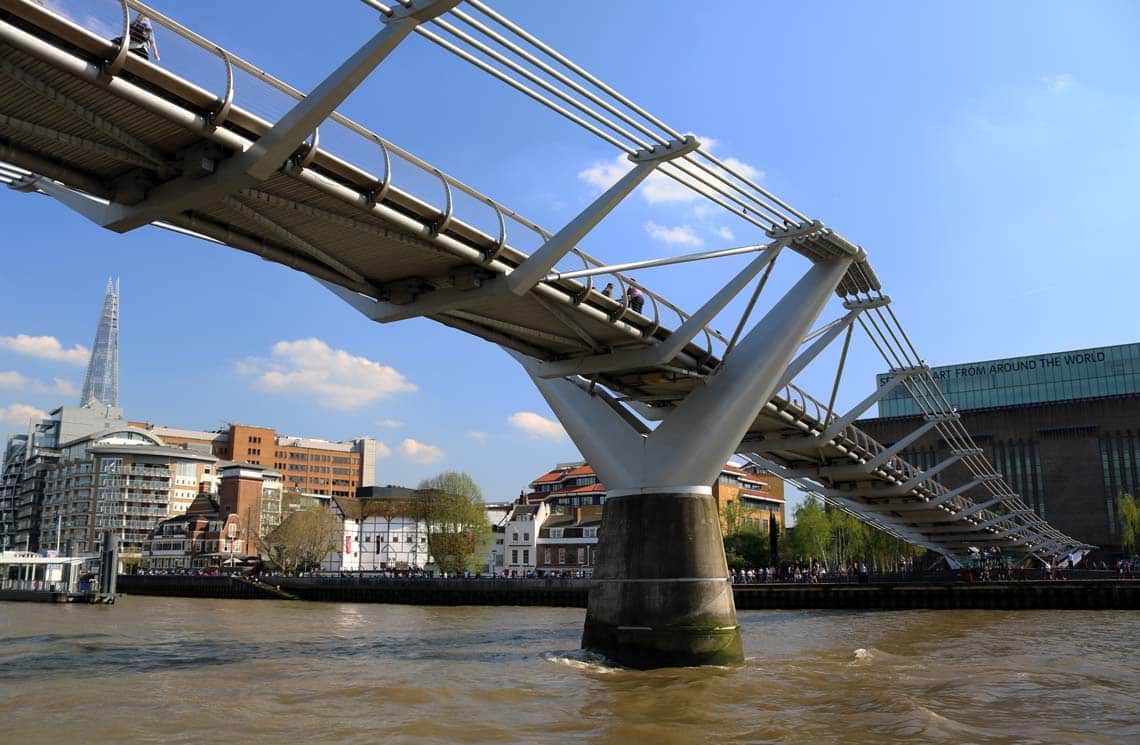
The Millennium Bridge links Bankside on the South Shore to the City of London on the North. The bridge opened in June 2000 & gained its nickname the “Wobbly Bridge” after an unexpected swaying motion caused it to close. After almost two years of modification the bridge re-opened.
Tate Modern

About the Tate Modern
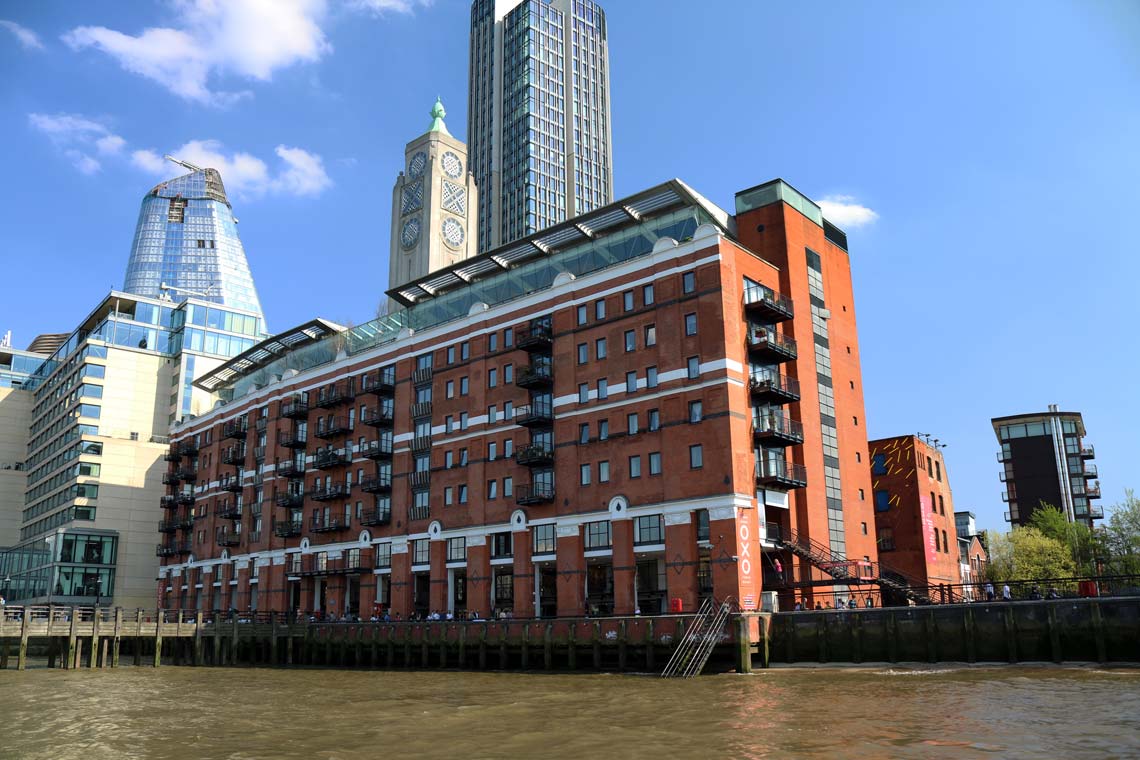
OXO Tower Wharf

About OXO Tower Wharf
St. Paul's Cathedral

About St. Paul’s Cathedral
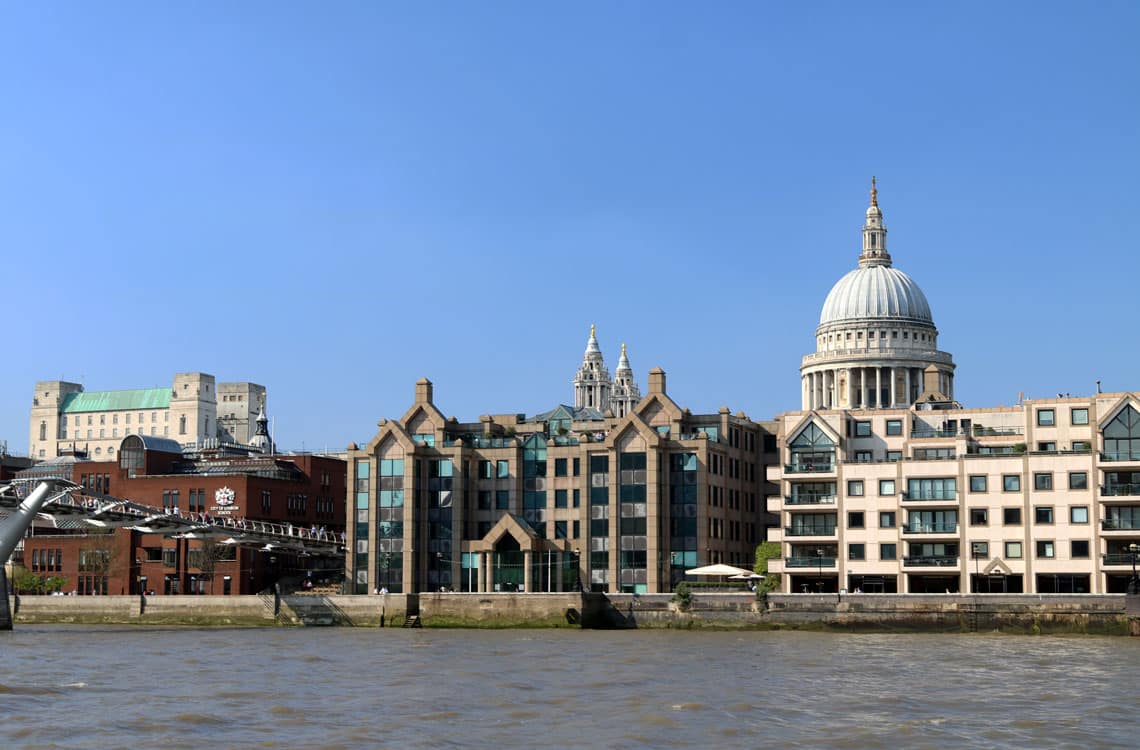
There have been several cathedrals on the site on St. Pauls dating from as early as 604 AD. The most notable of these was the cathedral built by the Normans between 1087 & 1240. The Norman St. Pauls was the largest building in Medieval England, it lasted for almost 600 years surviving the Reformation & the English Civil War. In August 1666 Christopher Wren finalised plans to restore the cathedral although little more than a week later St Pauls was destroyed in the Great Fire of London. Construction of the new cathedral commenced in 1675 & lasted for 33 years. The new cathedral was consecrated on the 2nd December 1667 & still stands today. St. Pauls is open for prayer seven days a week, sightseers can visit the cathedral from Monday – Saturday.
11 Min / 0.5 Miles (Via Millennium Bridge)
The Monument to the Great Fire of London
Royal National Theatre

About the Royal National Theatre
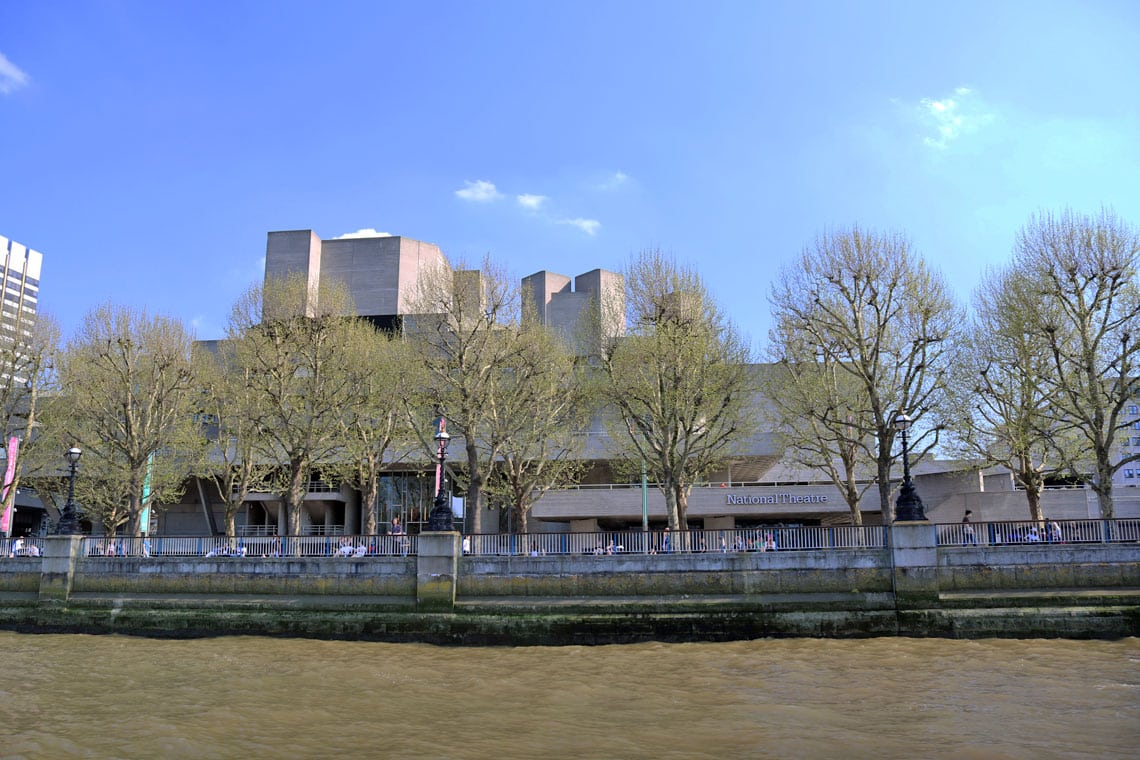
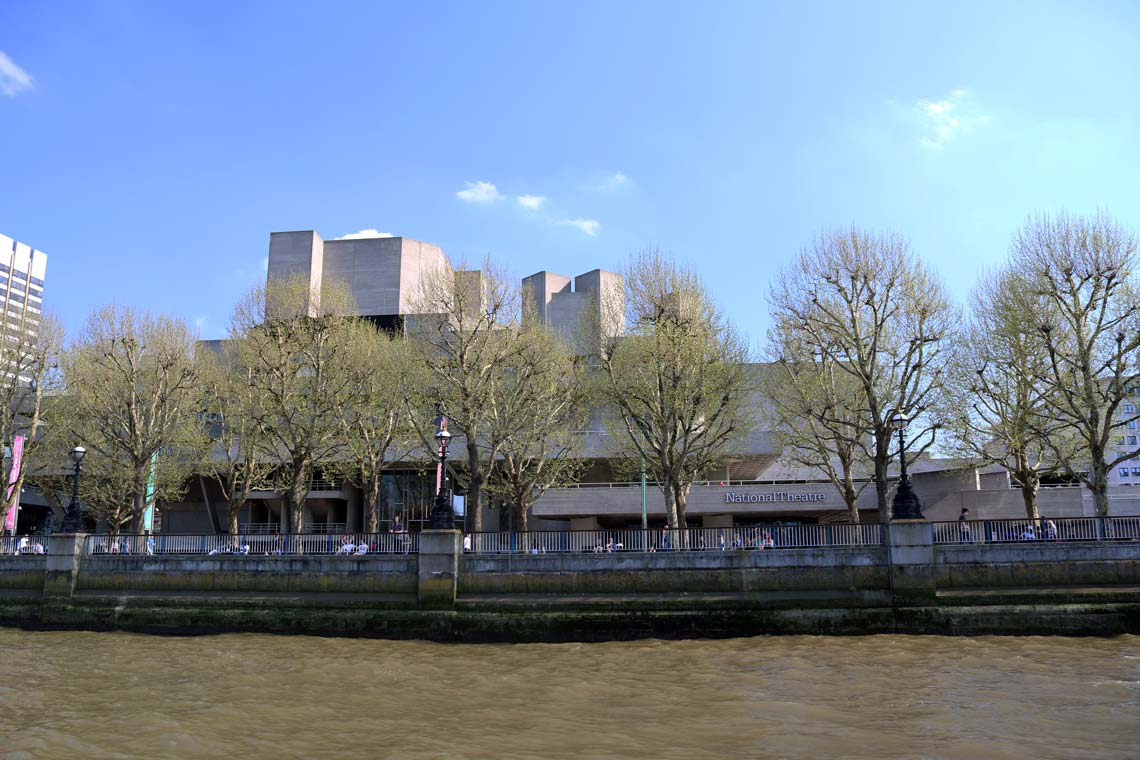
The Royal National Theatre was opened by Queen Elizabeth II in 1976. Three individual theatres occupy the site & over 20 different performances are shown each year. The Olivier Theatre is the largest theatre & seats 1,100 guests. The Olivier Theatre takes its name from the National Theatre’s first artistic director, Sir. Laurence Olivier.
20 Fenchurch Street (Walkie Talkie & the Sky Garden)

About 20 Fenchurch Street
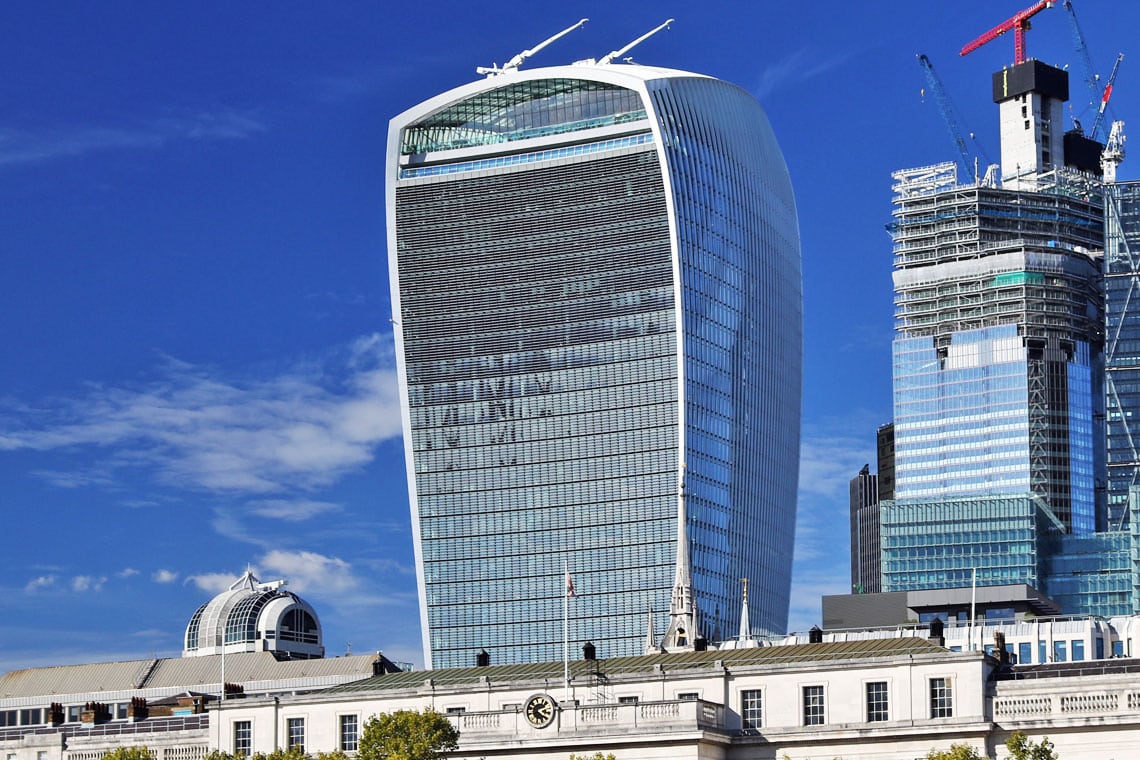
20 Fenchurch Street, nicknamed The Walkie Talkie was designed by Rafael Viñoly & completed in 2014. The top floors of 20 Fenchurch Street are home to the Sky Garden, an award winning garden landscape with restaurants, bars & a viewing area.
18 Min / 0.9 Miles (Via Southwark Bridge)
HQS Wellington

About HQS Wellington
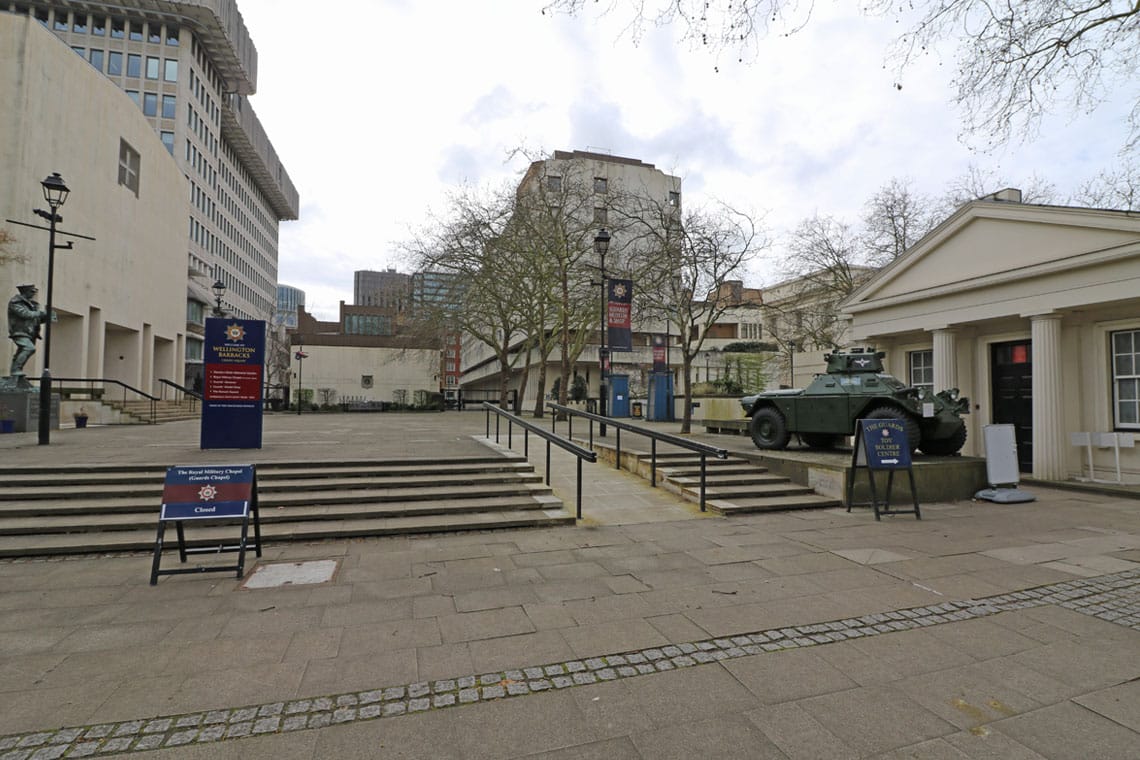
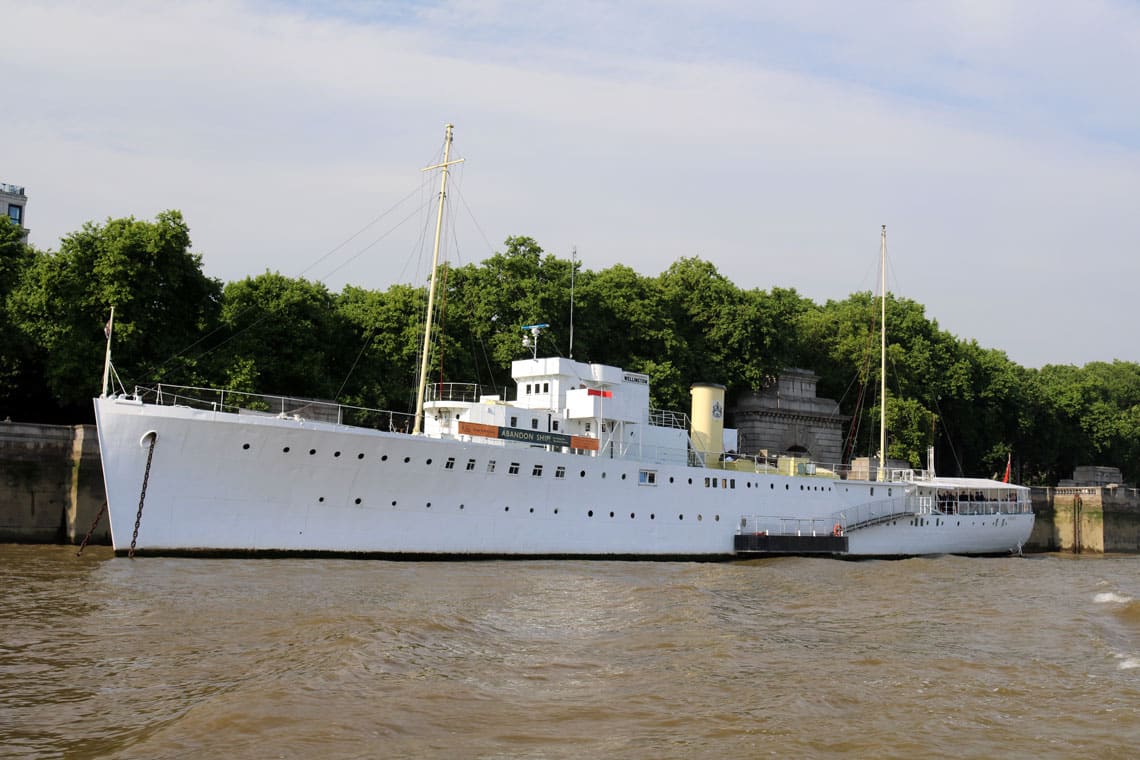
HQS Wellington is a Grimsby Class Sloop launched in 1934. She escorted convoys in the North Atlantic throughout the Second World War. She is now permanently moored on Victoria Embankment and is the livery hall of the Honorable Company of Master Mariners.
19 Min / 1.0 Mile (Via Millennium Bridge)
120 Fenchurch Street (The Garden at 120)

About 120 Fenchurch Street
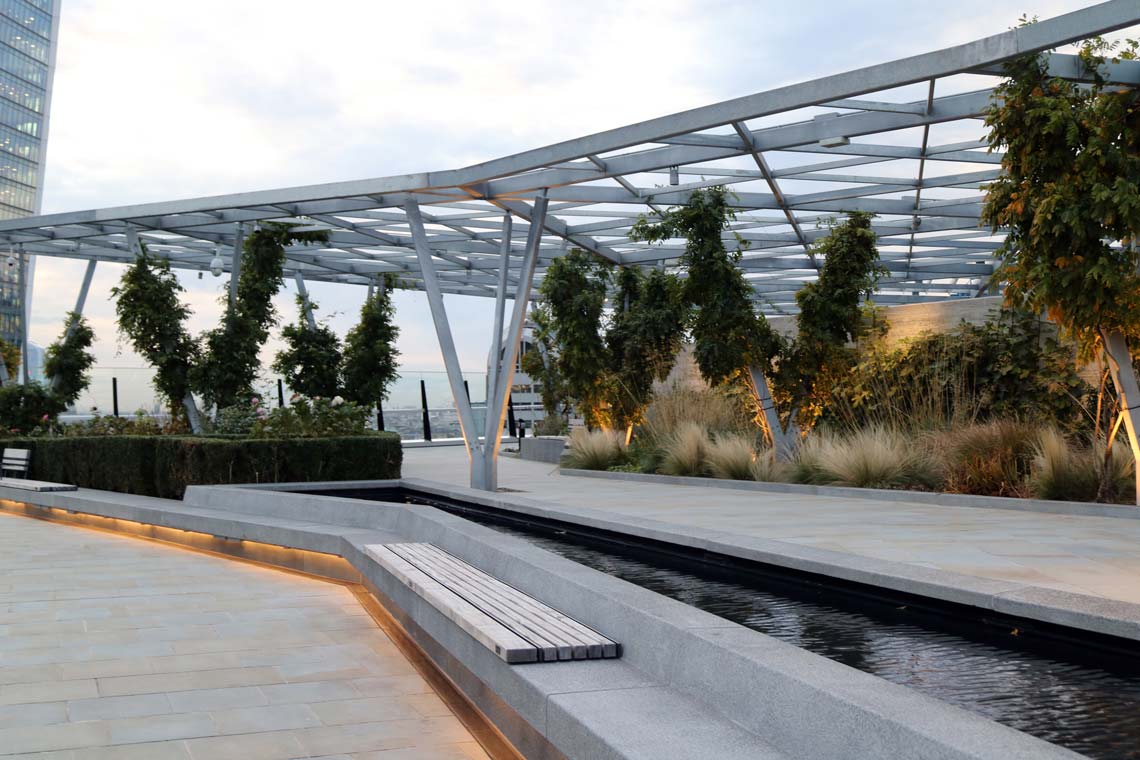
One Fen Court is a modern office complex located at 120 Fenchurch Street. Designed by Eric Parry Architects & completed in 2019 the building stands 15 storeys high & features London’s largest rooftop garden. The Garden at 120 is a spacious, open air rooftop garden which is open to the public free of charge between Monday – Friday. 14 Hills, a restaurant, bar & deli is located just below the garden on the 14th floor.
20 Min / 1.0 Mile (Via Southwark Bridge)
Royal Festival Hall

About Royal Festival Hall
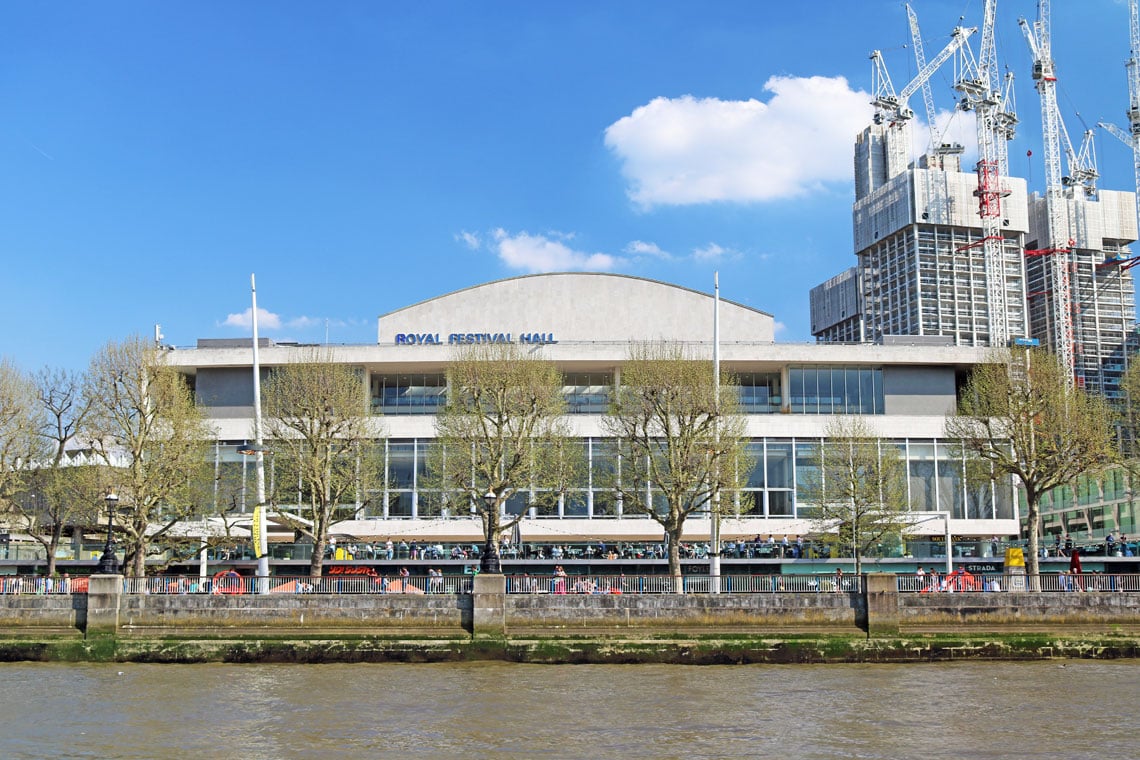
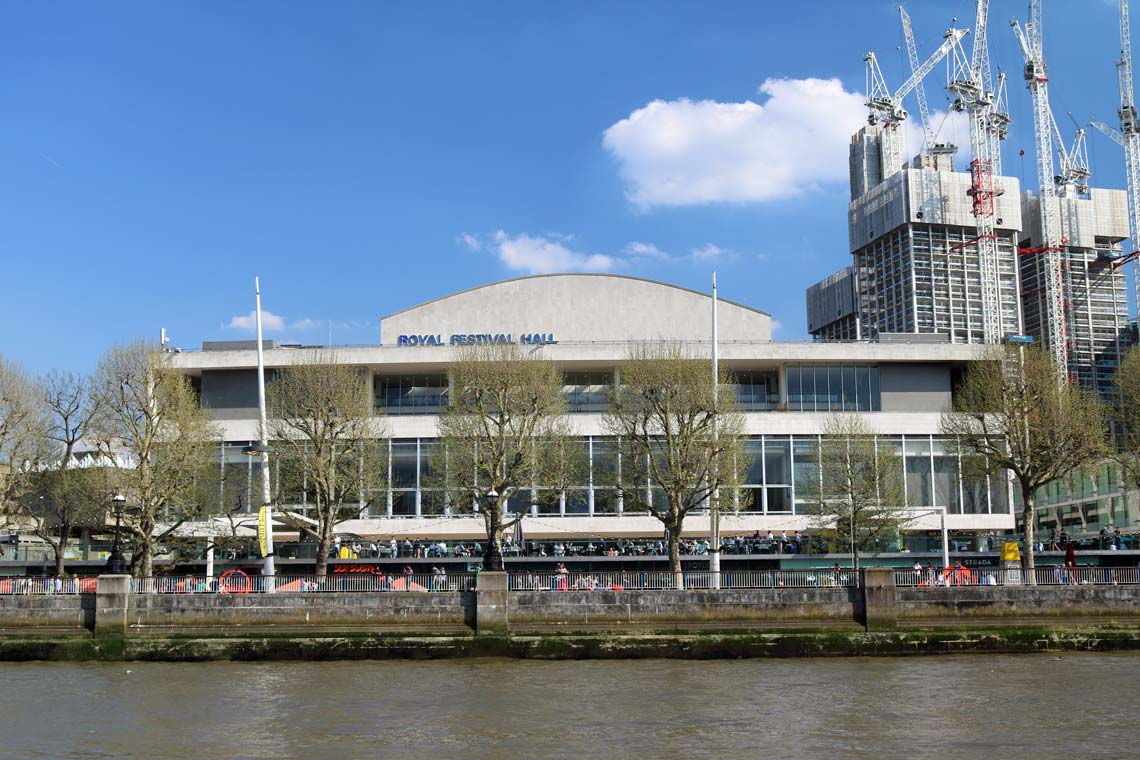
Royal Festival Hall is the last remaining building from the 1951 Festival of Great Britain. The hall can seat 2,500 guests & is situated in the Southbank Centre, the largest arts centre in the United Kingdom. Over 5,000 events are held at the Southbank Centre each year including exhibitions, festivals & performances by some of the worlds most famous artists.
Tower Bridge

About Tower Bridge
Tower Bridge is one of the most famous bridges in the world & was designed by Sir John Wolfe Barry & Horace Jones. The bridge opened in 1894 & the centre span is split into two bascules which open to allow ships to pass through to the Upper Pool.
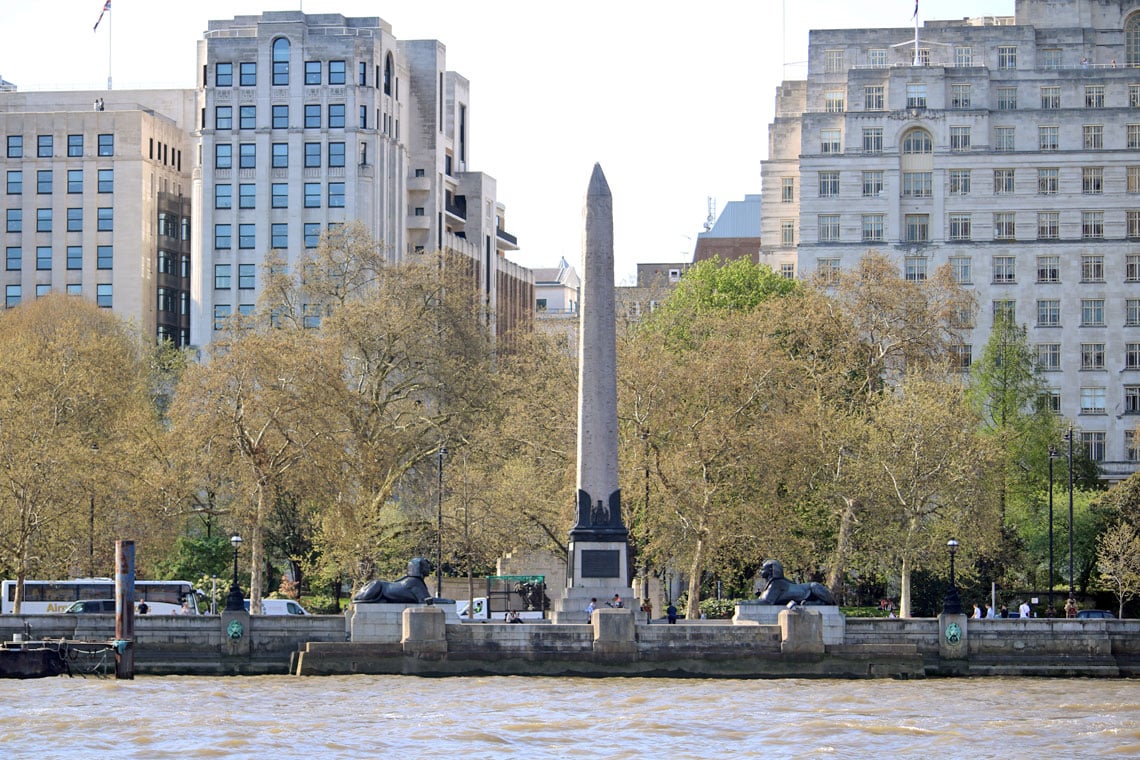
Cleopatra's Needle

About Cleopatra’s Needle
Benjamin Franklin House
About Benjamin Franklin House
36 Craven Street is the only remaining home of the Benjamin Franklin, a famous scientist, diplomat & Founding Father of the United States. The house itself dates from around 1730 & is an authentic representation Benjamin Franklin’s time in London. Tours of Benjamin Franklin House are available for the public & there is also a small shop & toilet facilities onsite.
Highlights
- Tour the only remaining home of Benjamin Franklin & the first de facto United States Embassy.
- Purchase souvenirs & gifts at the Benjamin Franklin House Shop.
Royal Festival Hall

About Royal Festival Hall
Royal Festival Hall is the last remaining building from the 1951 Festival of Great Britain. The hall can seat 2,500 guests & is situated in the Southbank Centre, the largest arts centre in the United Kingdom. Over 5,000 events are held at the Southbank Centre each year including exhibitions, festivals & performances by some of the worlds most famous artists.
6 Min / 0.3 Miles (Via Golden Jubilee Footbridges)
Savoy Hotel

About the Savoy Hotel
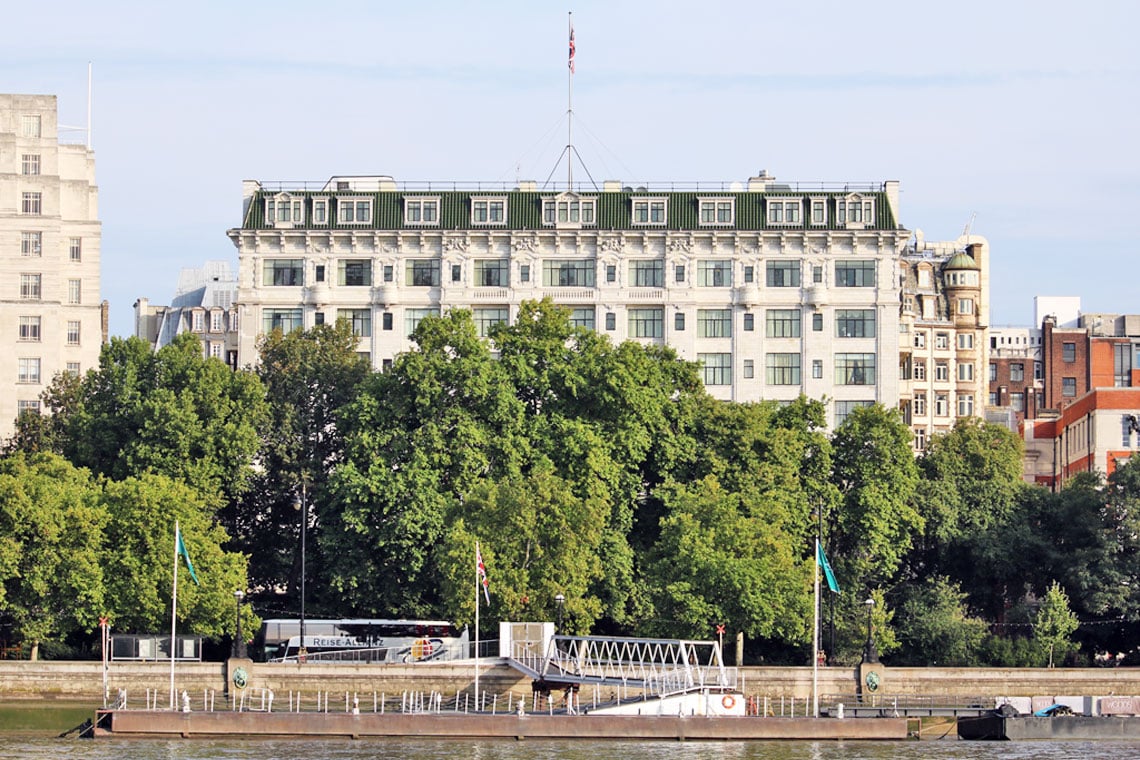
The Savoy Hotel was built by Richard D’Oyly Carte & opened in 1889. The Savoy proved popular with tourists & was the first hotel in Britain to utilise electric lifts & be lit entirely by electric lighting. The Savoy boasts numerous bars & restaurants & is adjacent to the Savoy Theatre.
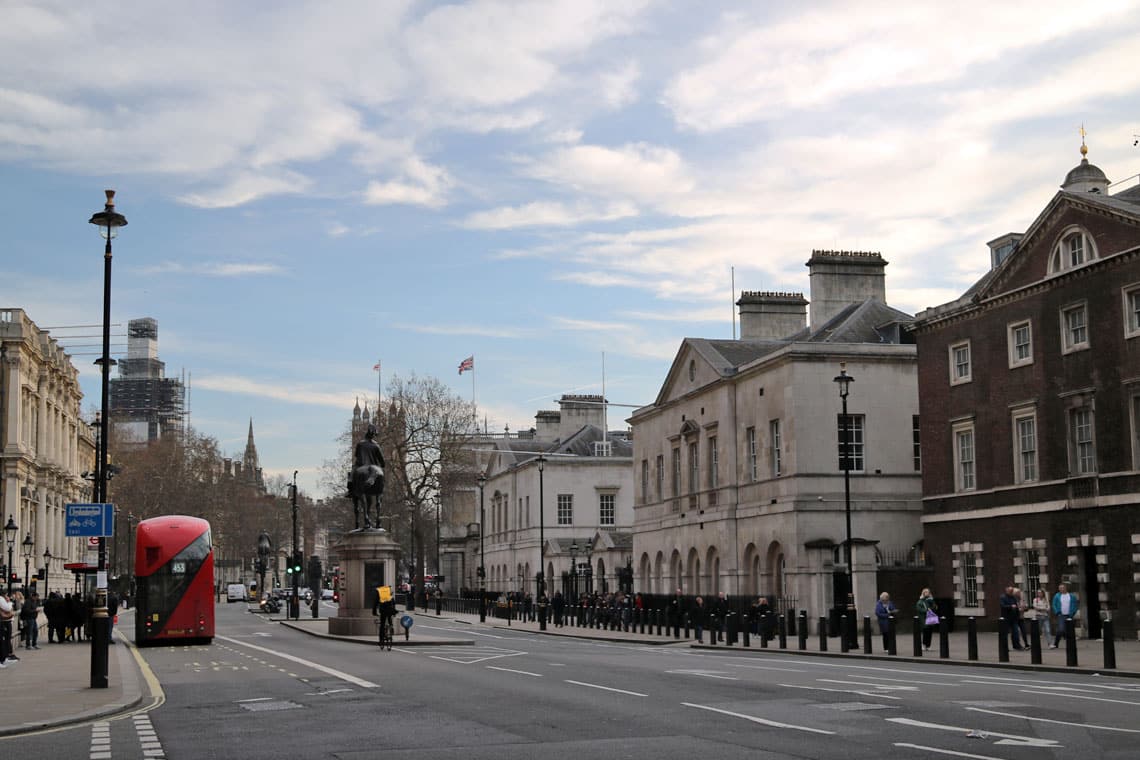
The Banqueting House


About the Banqueting House
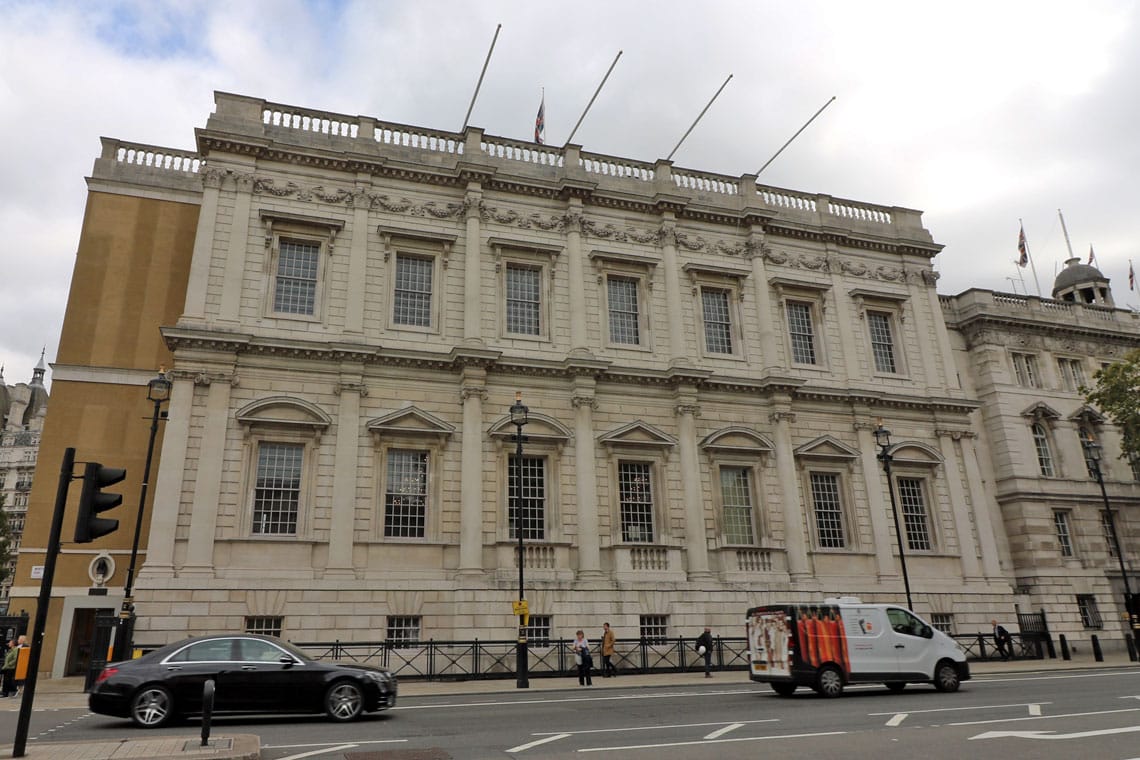
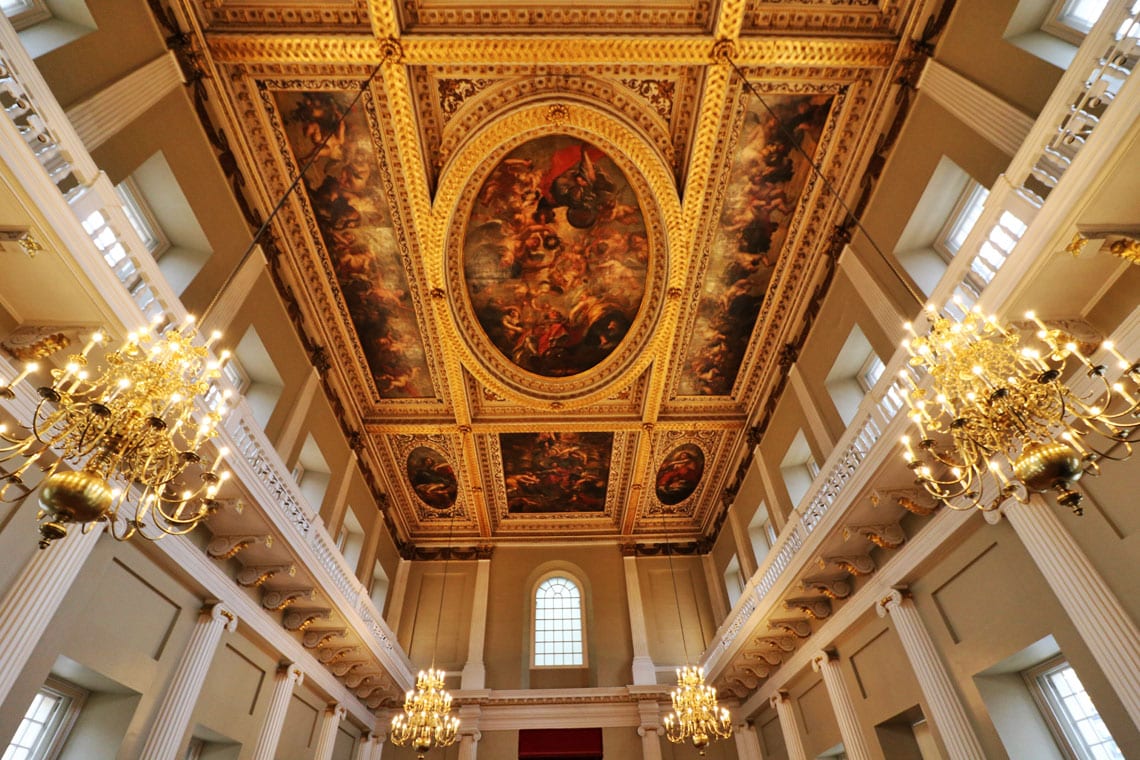
The Banqueting House is the last remaining building from Whitehall Palace, home to a magnificent ceiling painted by Sir Peter Paul Rubens & the execution site of King Charles I. The building was designed by Inigo Jones in the Palladian style for King James I & was completed in 1622.
Highlights
- One of the last remaining buildings from Henry VIII’s Whitehall Palace.
- The execution site of King Charles I.
- Peter Paul Rubens magnificent ceiling murals.
The National Gallery

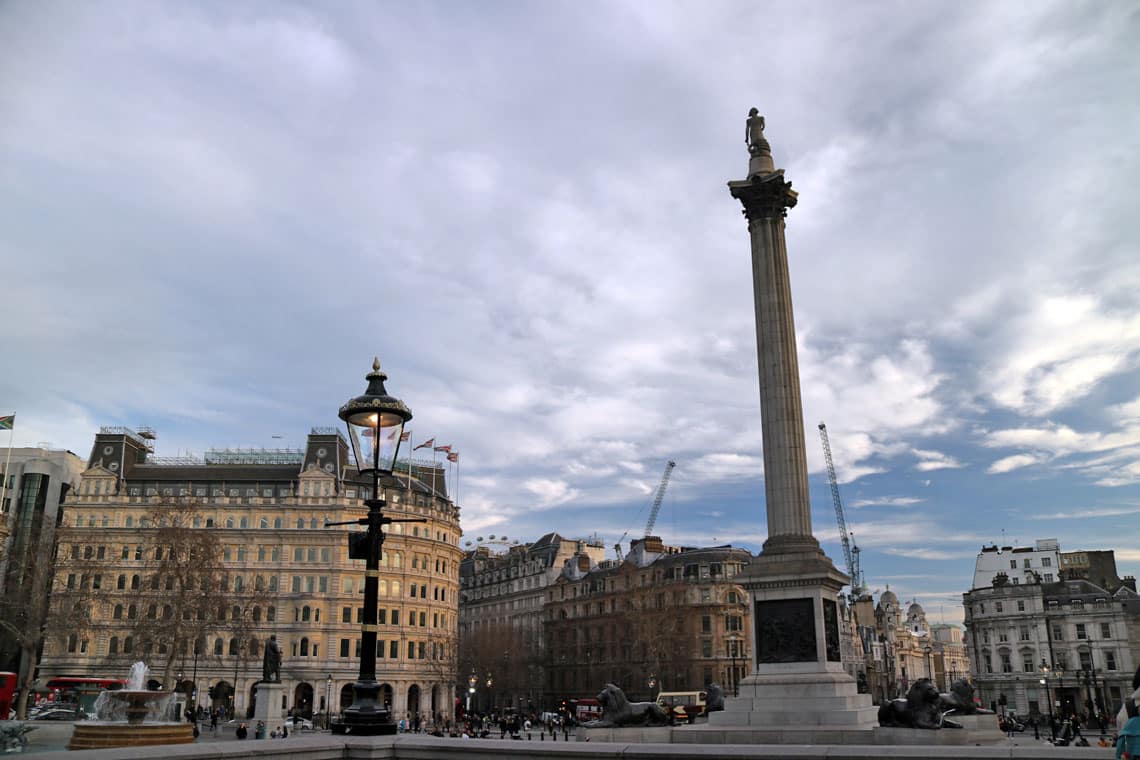
About the National Gallery
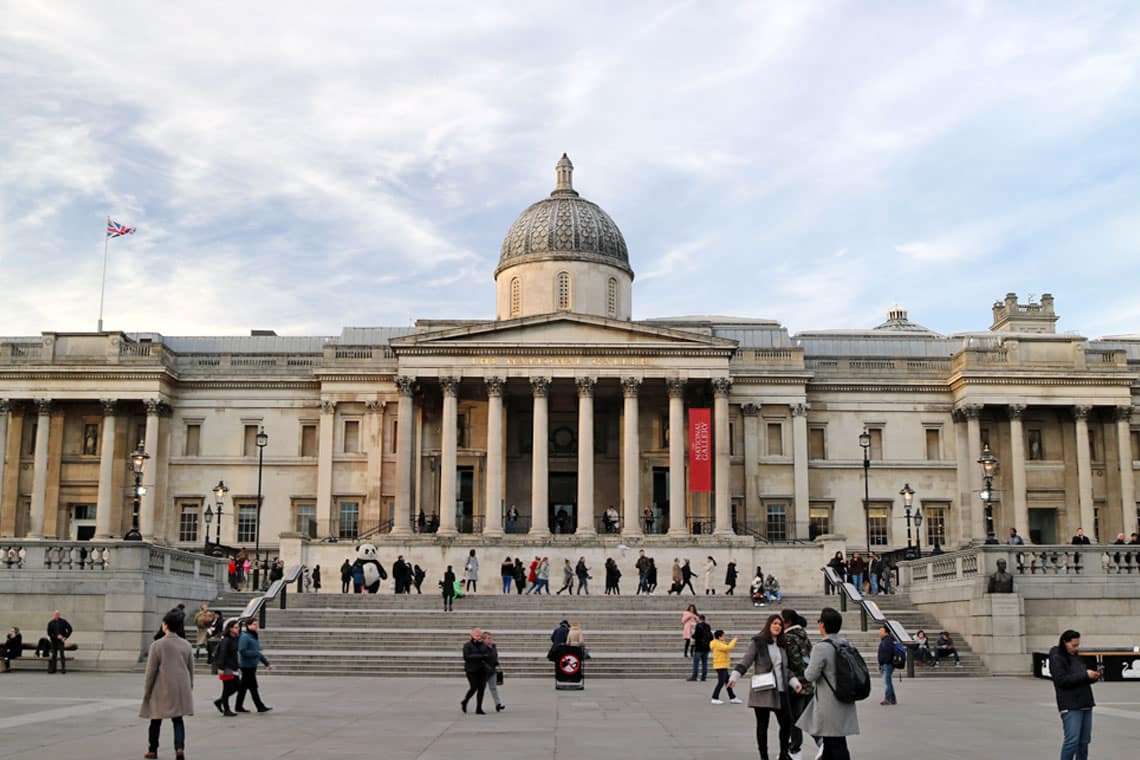
The National Gallery was founded in 1824 & opened to the public on the 10th May of the same year. As the collection grew the gallery moved from a small building at 100 Pall Mall to the present building, a purpose built structure designed by William Wilkins. Both The National Gallery’s building & collection has grown over the years, Sir James Pennethorne, Sir Charles Barry & Sir John Taylor have all extended the building & over 2,600 paintings are now housed within the collection. Today the National Gallery is free to visit & they organise a range of exhibitions & events showcases works from the collection. The gallery also has a number of giftshops, a dining room & cafés.
London Eye

About the London Eye
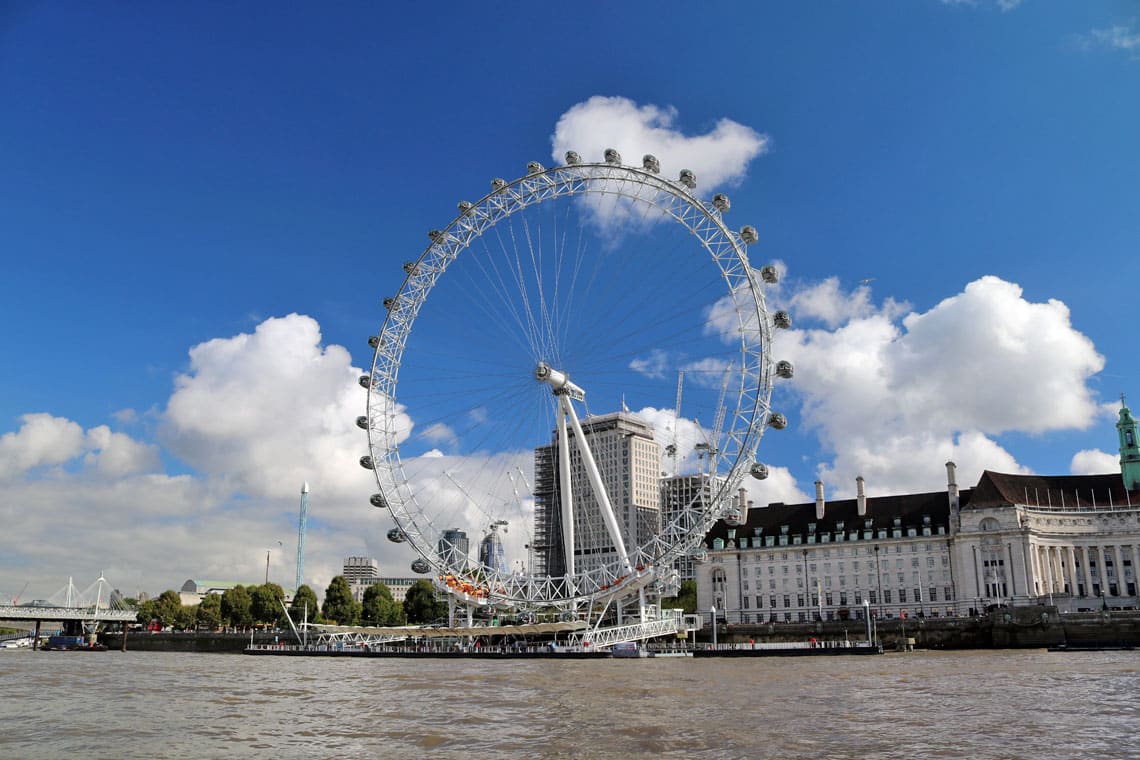
At 135 metres tall the London Eye is the worlds largest cantilevered observation wheel. The London Eye was designed by Marks Barfield Architects & launched in 2000 as a temporary attraction. The London Eye has quickly become one of the most popular paid attractions in the world carrying over 3.5 million visitors each year. On a clear day visibility is up to 40km allowing views of Windsor Castle & the Queen Elizabeth II bridge at Dartford.
Highlights
- See London from a unique perspective.
8 Min / 0.4 Mile (Via Golden Jubilee Footbridges)
Somerset House

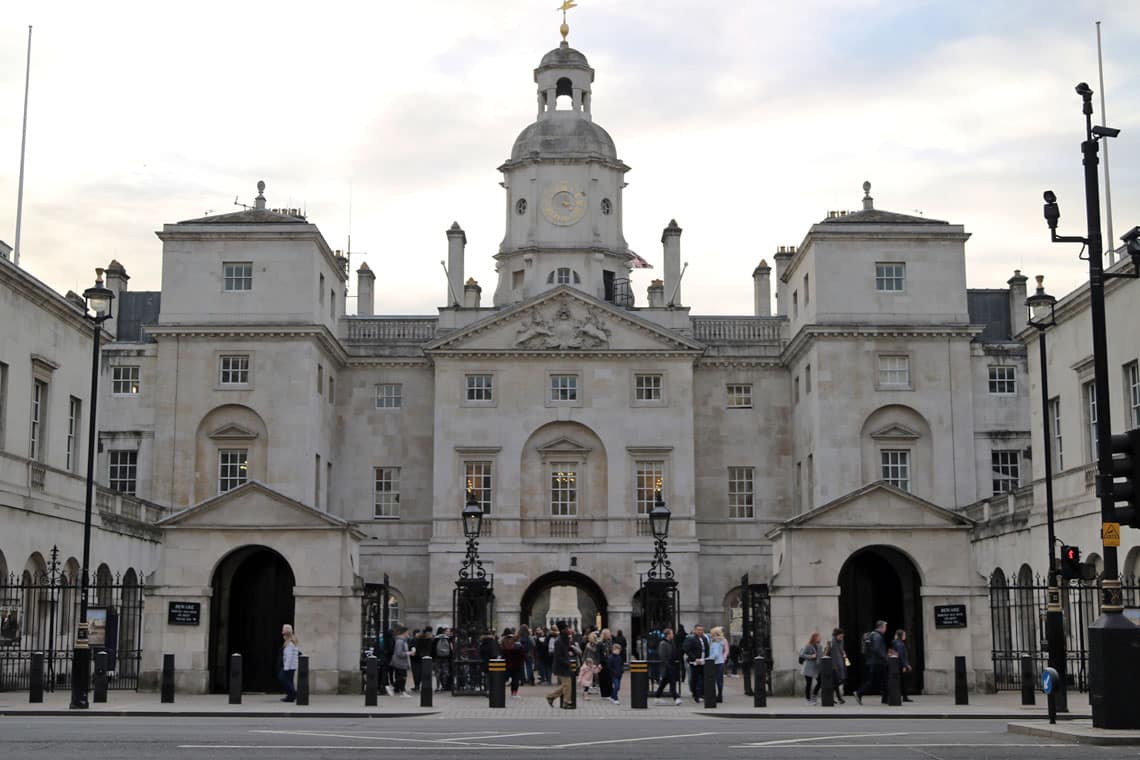
About Somerset House
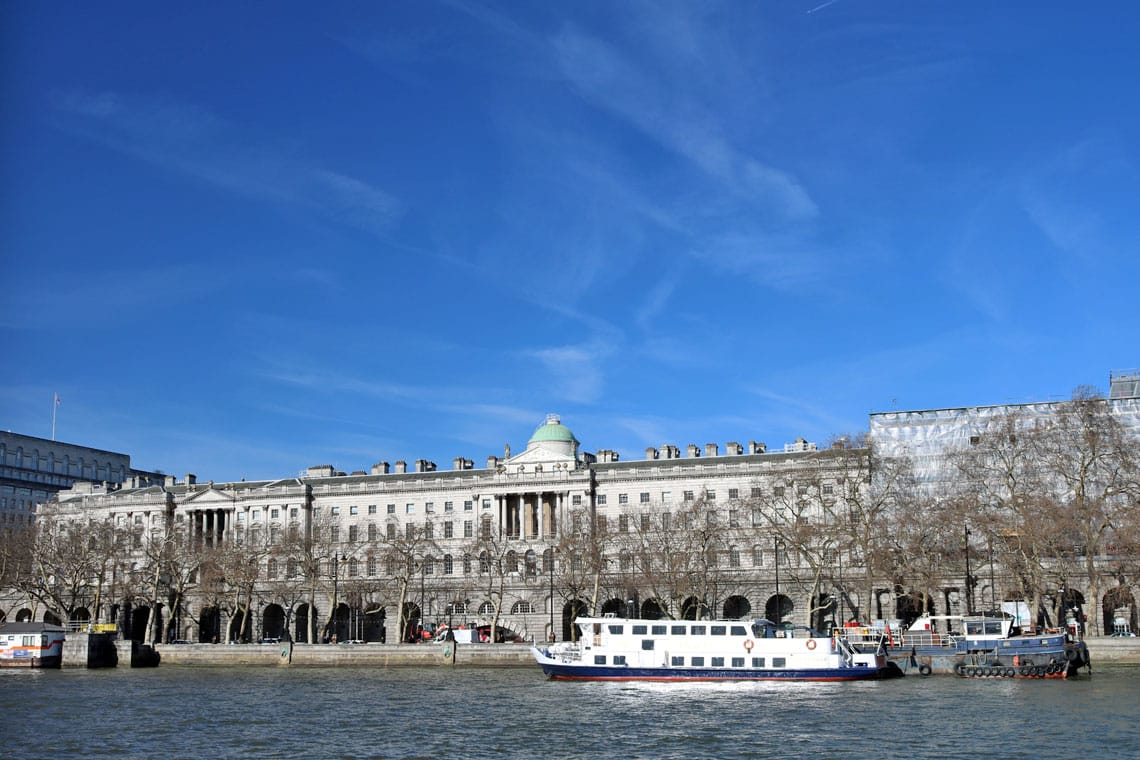
Somerset House was designed by William Chambers & completed 1801. The house has been home to the Royal Academy of Arts, the Royal Society, the General Register Office & the Inland Revenue. Today Somerset House is open to the public and regularly hosts concerts & other public events.
Royal National Theatre

About the Royal National Theatre
The Royal National Theatre was opened by Queen Elizabeth II in 1976. Three individual theatres occupy the site & over 20 different performances are shown each year. The Olivier Theatre is the largest theatre & seats 1,100 guests. The Olivier Theatre takes its name from the National Theatre’s first artistic director, Sir. Laurence Olivier.
9 Min / 0.4 Miles (Via Golden Jubilee Footbridges)
St. James Park
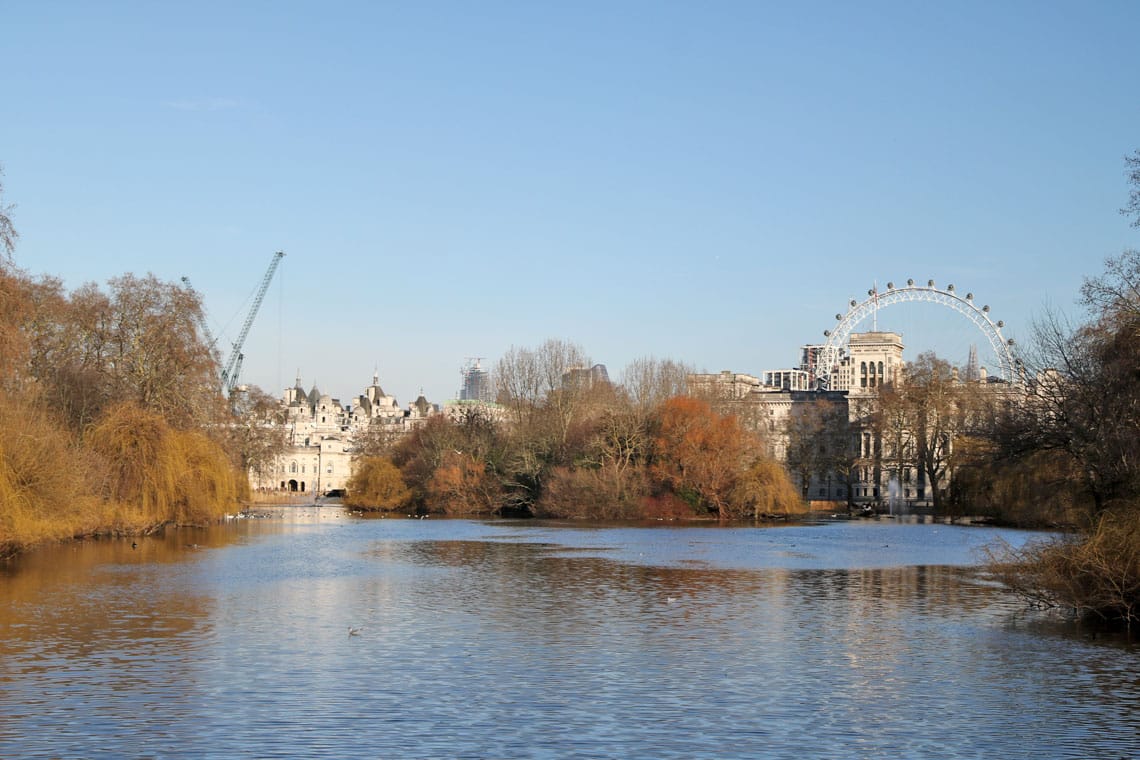
About St. James Park
St. James Park is London’s oldest royal park & is surrounded by three royal palaces, the Palace of Westminster, St. James Palace & Buckingham Palace. In 1536 the royal court was based at the Palace of Westminster & King Henry VIII purchased land at St. James to build St. James Palace & a new deer park. After his accession to the throne in 1603 James I had the park drained, landscaped & filled with exotic animals including camels, crocodiles, birds & an elephant.
St. James Park underwent further alterations when Charles II opened it to the public & had it re-landscaped in a more formal style with a large canal. St. James Park saw another makeover in the 1820’s when the Prince Regent (later to become George IV) commissioned the architect & landscaper John Nash to give the park a more natural look. The canal was shaped into a lake & an iron bridge was built offering excellent views across the lake. The current bridge (The Blue Bridge) was built in 1957 & is the third bridge to span St. James Park Lake.
Highlights
- Take in the view of Buckingham Palace, Horse Guards Parade & the London Eye from the Blue Bridge.
- Learn more about the park on a walking tour (available on select dates).
- See the parks resident pelicans at feeding time.
- Refreshments available at St. James Café.
County Hall
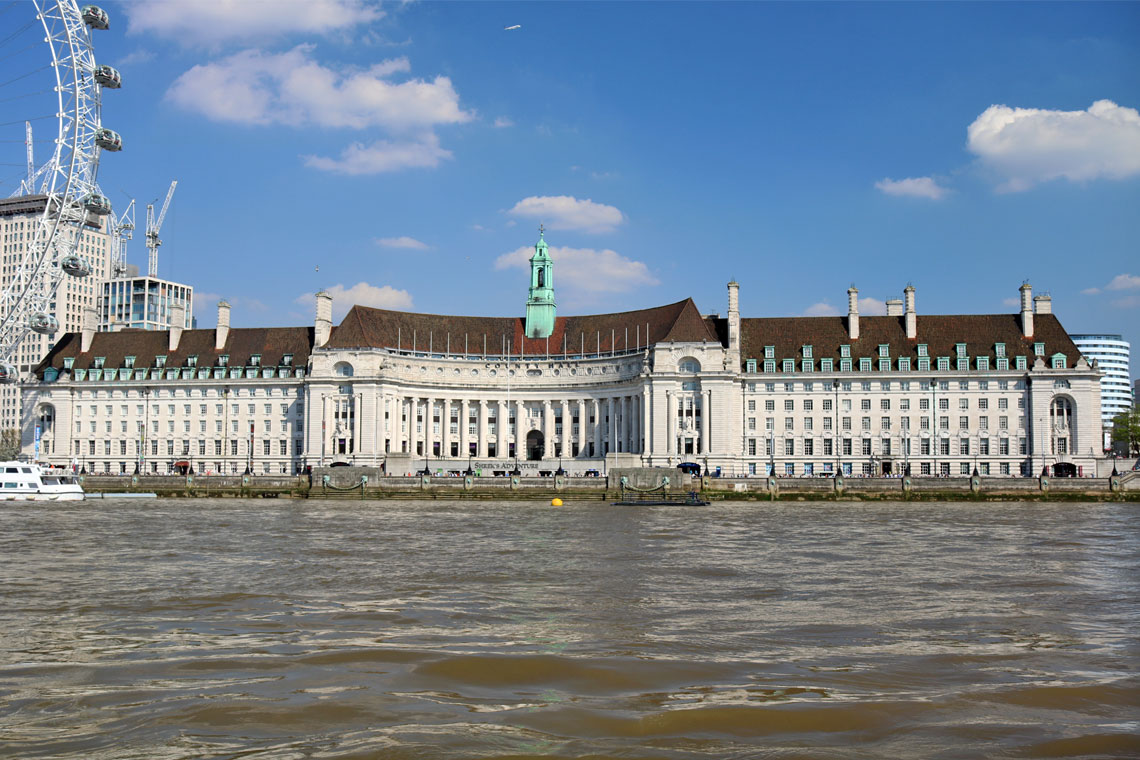
About County Hall
Highlights
- Sea Life London Aquarium
- The London Dungeon
- Shrek’s Adventure!
- Namco Funscape Arcade
- Agatha Christie’s Witness For The Prosecution (performed in the County Hall Court Room)
HQS Wellington

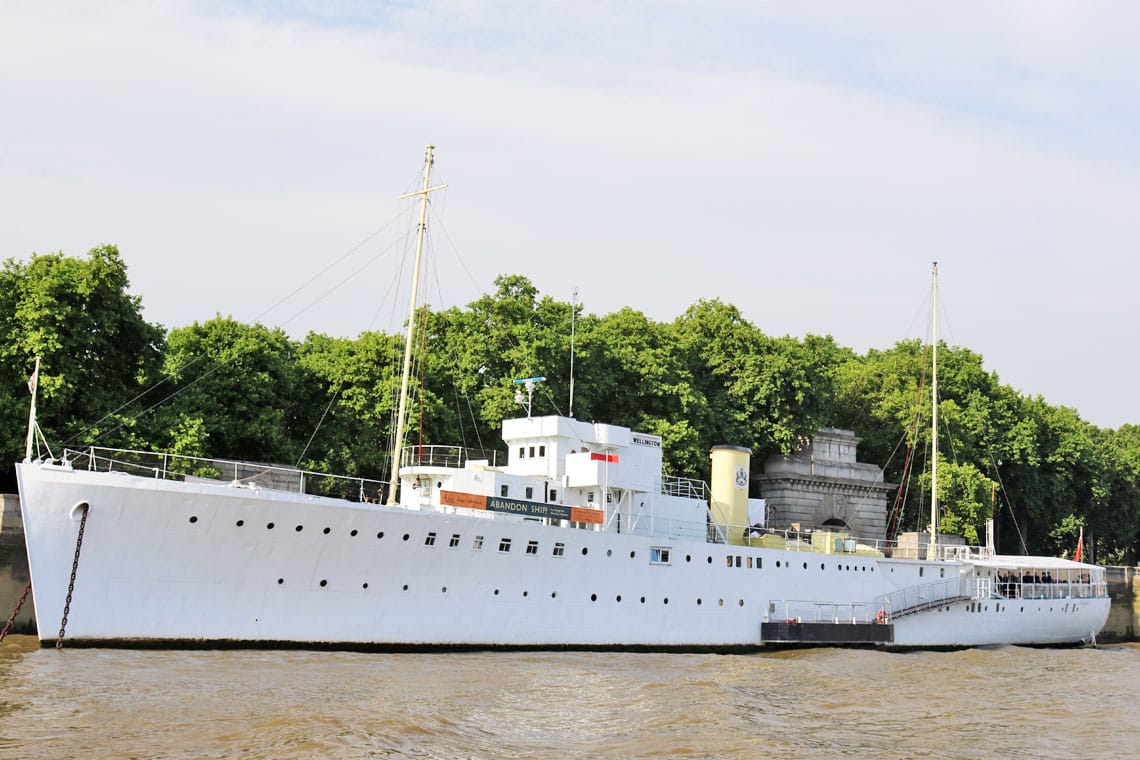
About HQS Wellington
HQS Wellington is a Grimsby Class Sloop launched in 1934. She escorted convoys in the North Atlantic throughout the Second World War. She is now permanently moored on Victoria Embankment and is the livery hall of the Honorable Company of Master Mariners.
New Palace of Westminster (Houses of Parliament)

About the New Palace of Westminster
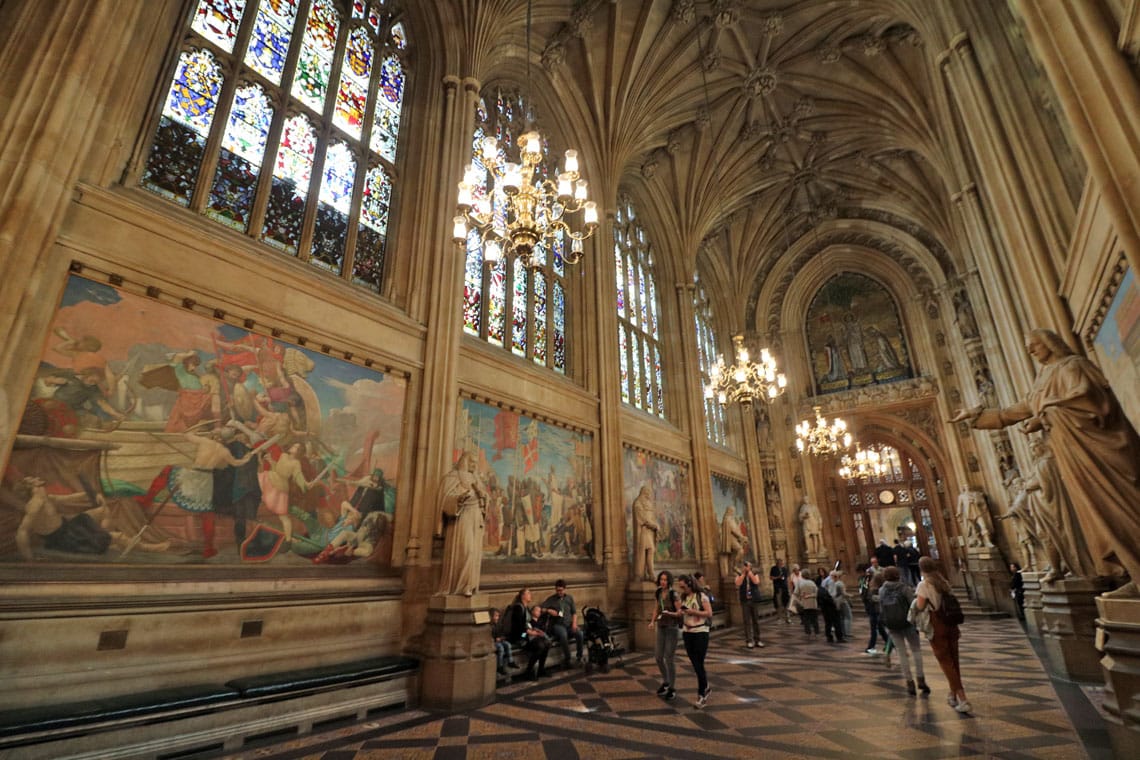
Known as the ‘Houses of Parliament’, the new palace was built between 1840-1870 after the original palace was damaged during a fire. The palace is the home of UK Parliament & the iconic Elizabeth Tower (known as Big Ben).
Highlights
- Guided tours available in multiple languages.
- Self-guided tours with a multimedia guide.
- Tours with afternoon tea overlooking the River Thames.
- Special exhibitions in Westminster Hall.
- Special talks & guided tours.
- Refreshments available in the Jubilee cafe.
St. Margaret's Church
About St. Margaret’s Church
- Refreshments are available at Westminster Abbey’s Cellarium Café.
- Purchase souvenirs & gifts at the Westminster Abbey Shop.
Westminster Abbey
About Westminster Abbey
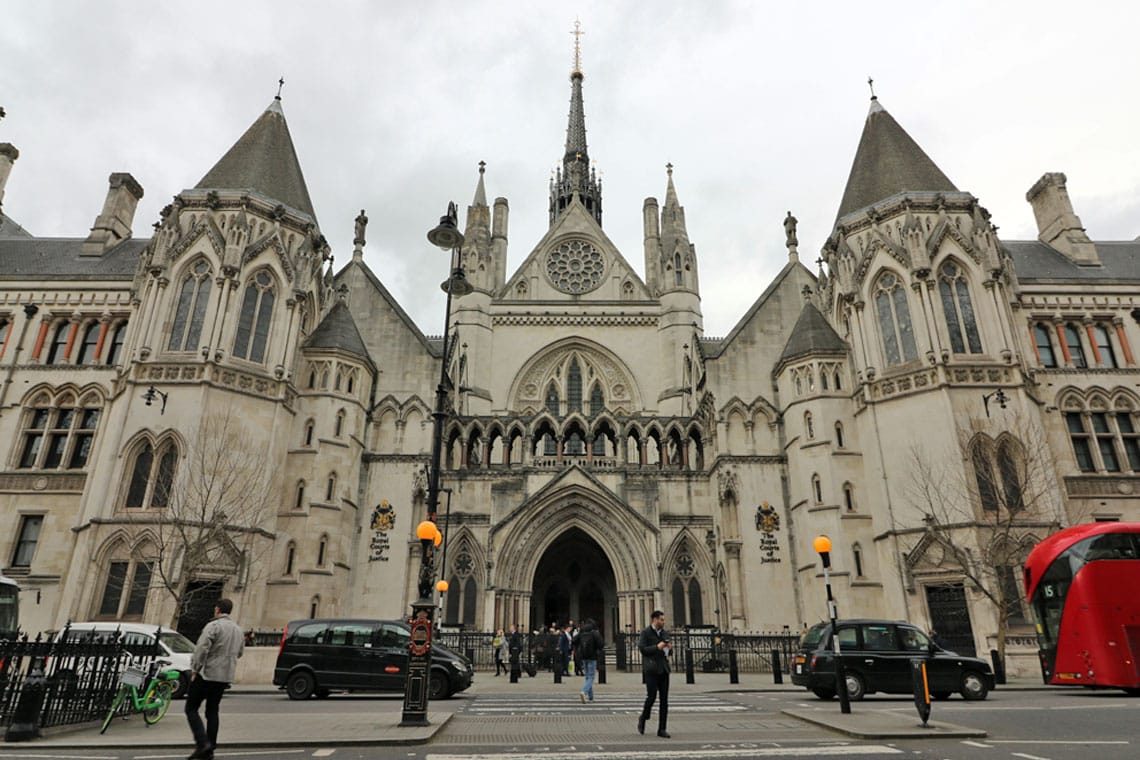
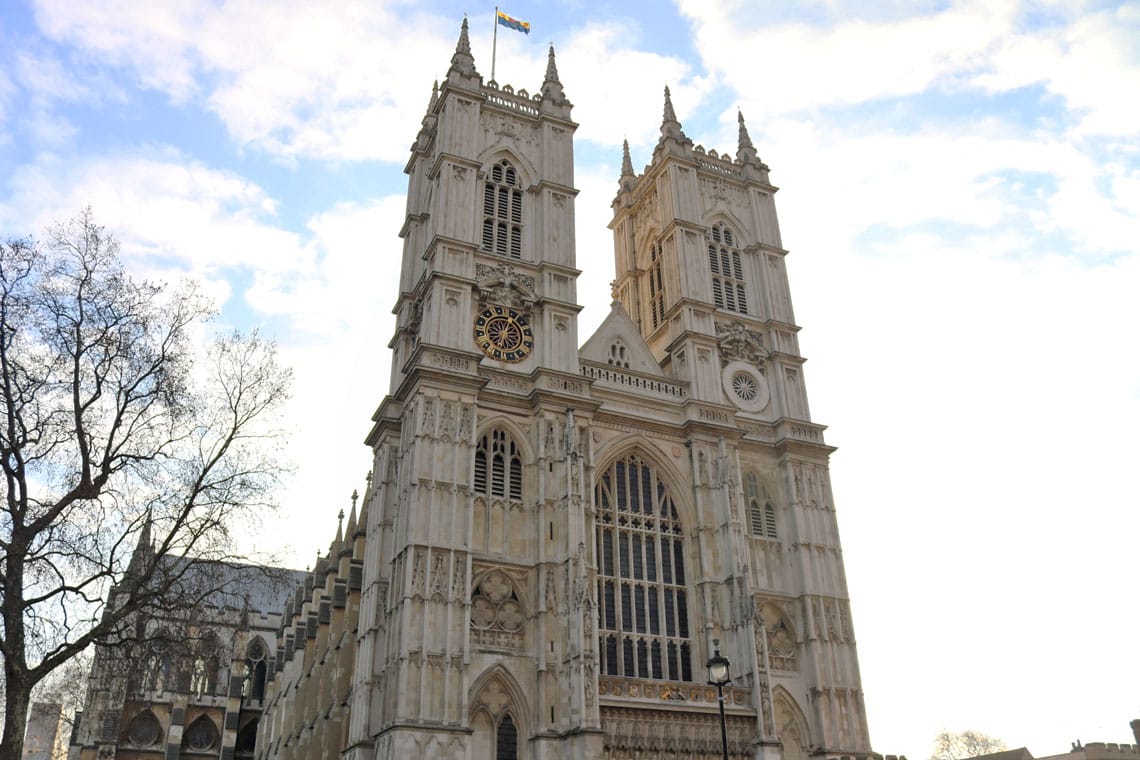
Westminster Abbey was built by King Edward (later to become St. Edward the Confessor) on the site of a Benedictine Monastery on Thorn Ey (Thorn Island) in Westminster. King Edward’s Abbey was consecrated on the 28th December 1065 however Edward was unable to attend the consecration due to illness, he died just days later sparking a succession crisis which intimately led to the Norman Conquest of England. William the Conqueror was coronated King William I on Christmas Day in 1066 & every coronation has taken place at Westminster Abbey since.
King Edward’s abbey stood for over two centuries until King Henry III started to rebuild the abbey in a Gothic style. Henry’s abbey was consecrated on the 13th October 1269 & still stands today. Westminster Abbey is the resting place of 17 monarchs & a number of poets, musicians, scientists and politicians.
Highlights
- Explore King Henry VII’s Lady Chapel.
- Visit the Queens Diamond Jubilee Galleries.
- Visit the college garden (open on select days each week).
- Refreshments are available at the Cellarium Café.
- Purchase souvenirs & gifts at the Westminster Abbey Shop.
The Jewel Tower
About the Jewel Tower
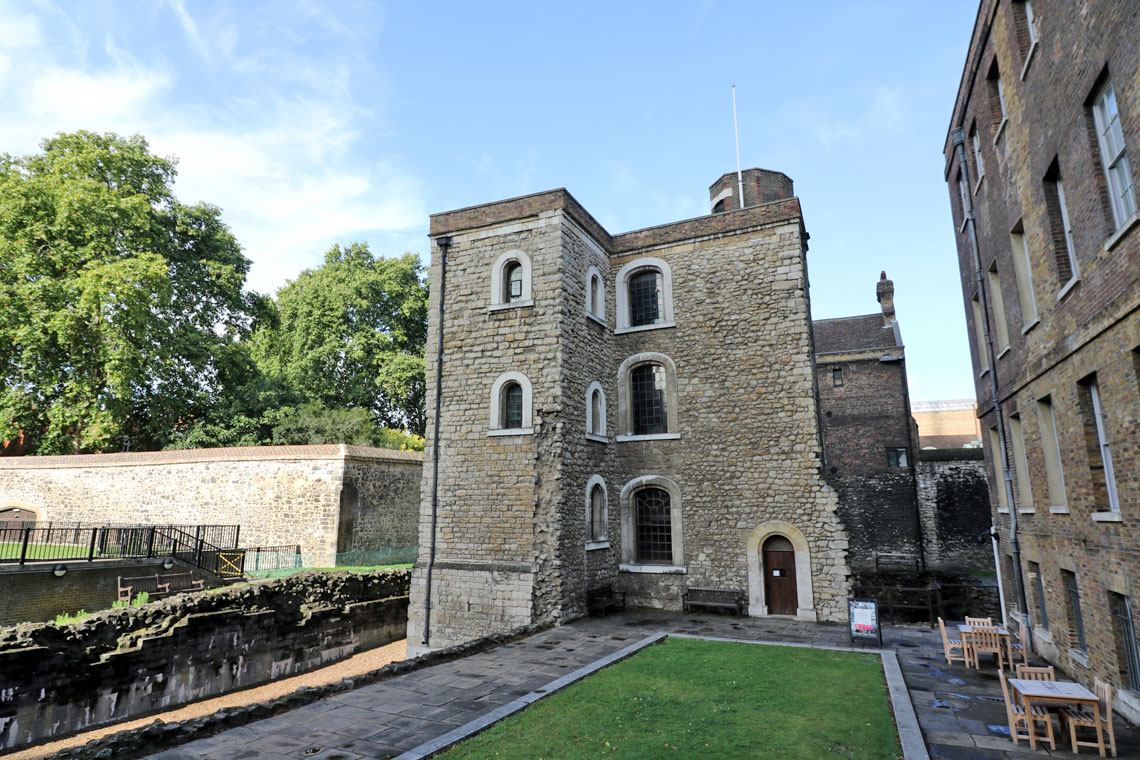
The Jewel Tower is one of the last remaining structures from the Medieval Palace of Westminster. The Tower was built by Henry Yevele between 1365-1366 for King Edward III & originally served as a store for precious items including silver plate. After much of the medieval palace was destroyed by a fire in 1834 the Jewel Tower became a records office for the House of Lords. In 1869 it became a testing office for the Board of Trade Standards Department (More commonly known as Weights and Measures).
Highlights
- One of the last remaining buildings from the Medieval Palace of Westminster.
- Light refreshments available at the Jewel Tower Cafe.
The Supreme Court
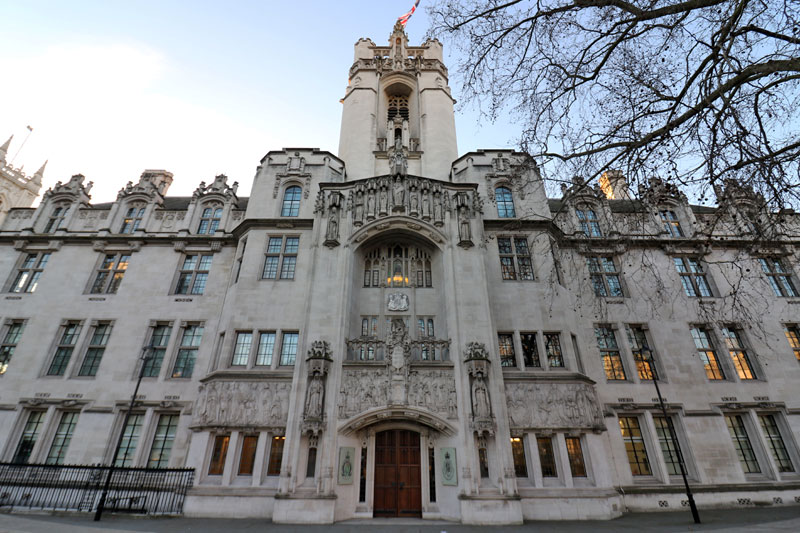
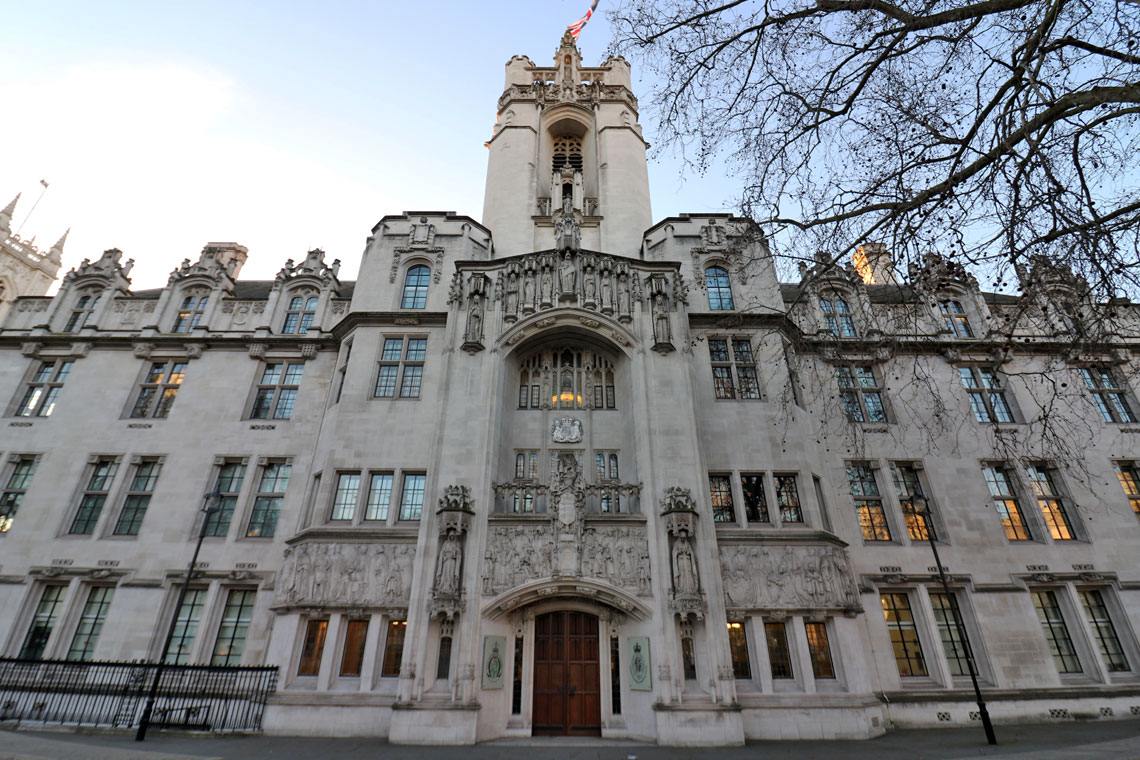
About The Supreme Court
The Supreme Court was formally established on the 1st October 2009 & is the highest court in the United Kingdom. The court hears appeals for civil cases in the United Kingdom & criminal cases in England, Wales & Northern Ireland. The Supreme Court sits in the Middlesex Guildhall, an art nouveau gothic style building designed by J. S Gibson & completed in 1913.
Highlights
- Guided tours led by a member of the court staff.
- Permanent & temporary exhibitions on the lower ground floor.
- Refreshments available at the Supreme Court Café.
- Purchase souvenirs & gifts from the Supreme Court Shop.
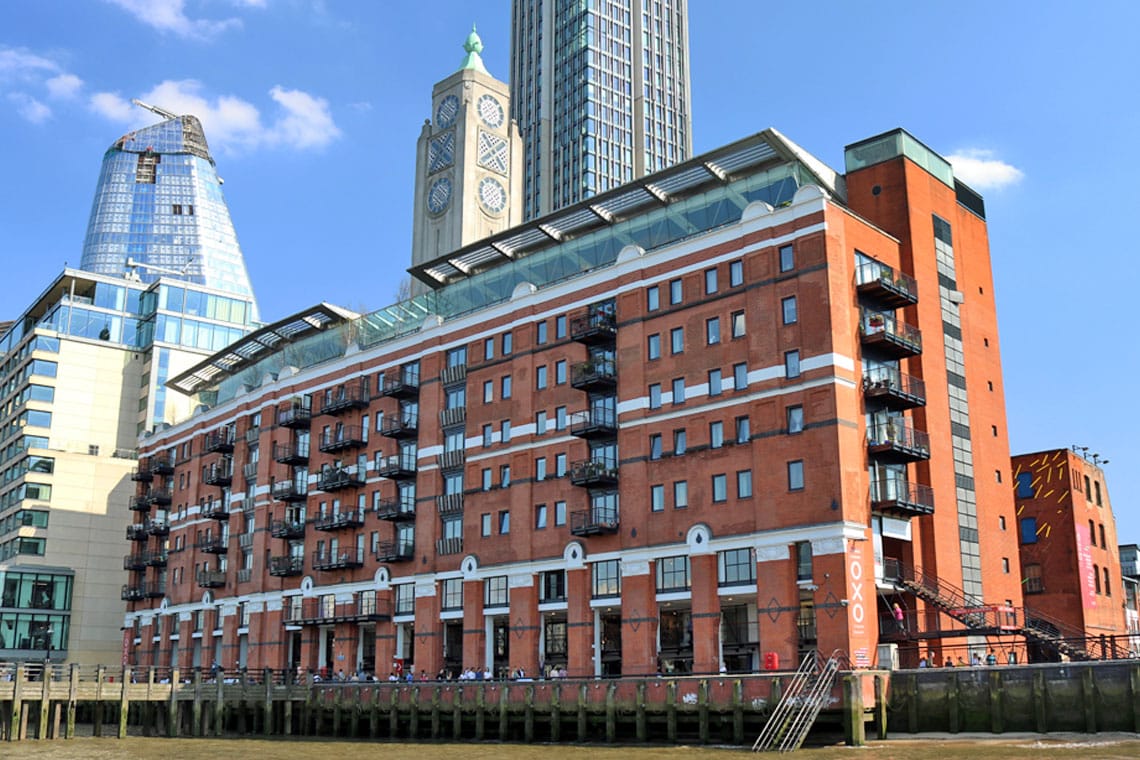
OXO Tower Wharf

About OXO Tower Wharf
Florence Nightingale Museum

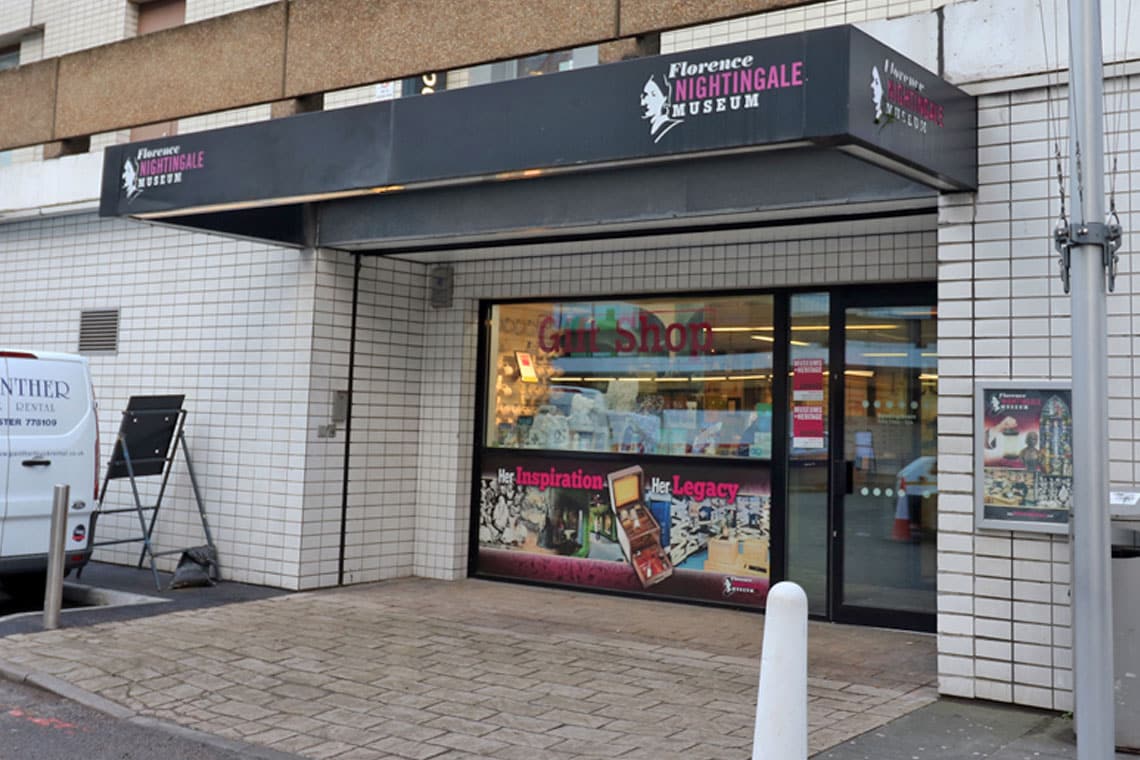
About the Florence Nightingale Museum
- Learn about Florence Nightingale’s life & achievements.
- Highlight Tours of the museums collections.
- Walking tours following in the footsteps of Florence Nightingale.
- Souvenirs available in the museum shop.
16 Min / 0.8 Miles (Via Westminster Bridge)
Sir John Soane's Museum

About Sir John Soane’s Museum
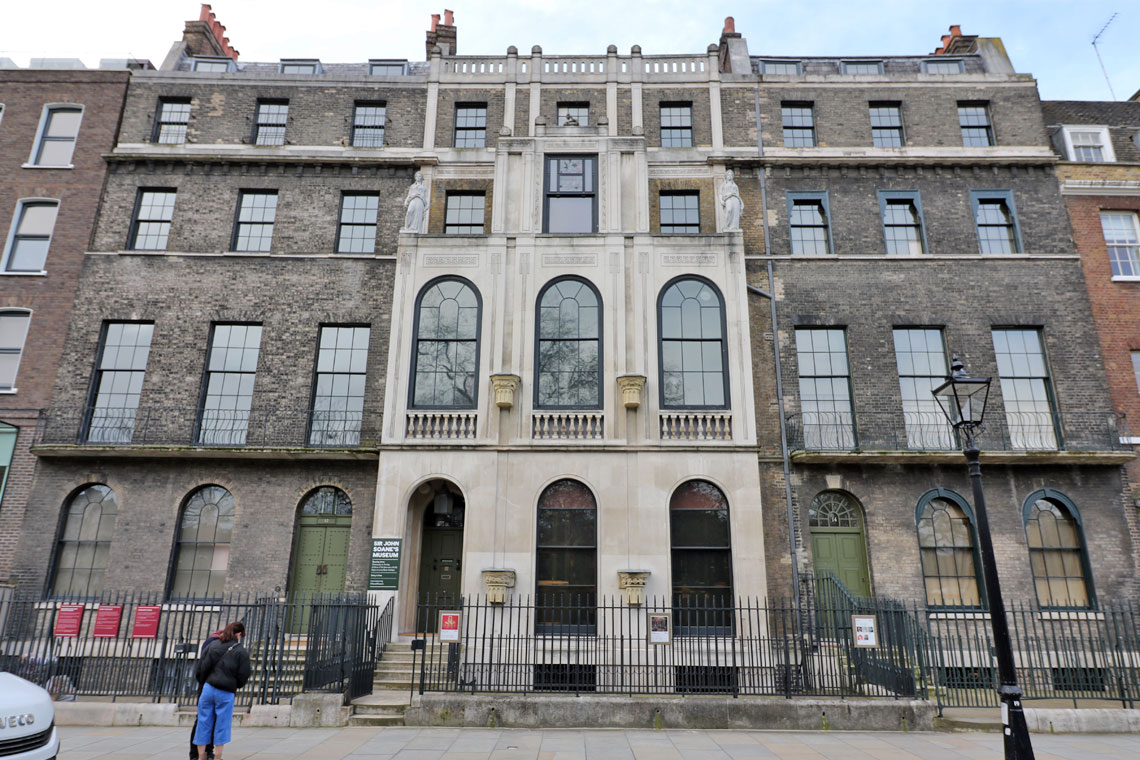
Sir John Soane’s Museum is situated in the Grade I listed home of the Regency architect Sir John Soane. Soane commissioned numerous buildings throughout his career including country homes, the Bank of England & Dulwich Picture Gallery. During his lifetime Soane amassed a vast collection of items including books, manuscripts, paintings, models, sculptures & the alabaster sarcophagus of Seti I. Soane obtained an Act of Parliament bequeathing his home to the British Public. Today Sir John Soane’s Museum is free to visit & remains mostly unchanged since his death in 1837. Tours & trails are are available at the museum to guide visitors through the rooms & collections that have been curated by Sir John Soane himself.
The British Museum

About the British Museum
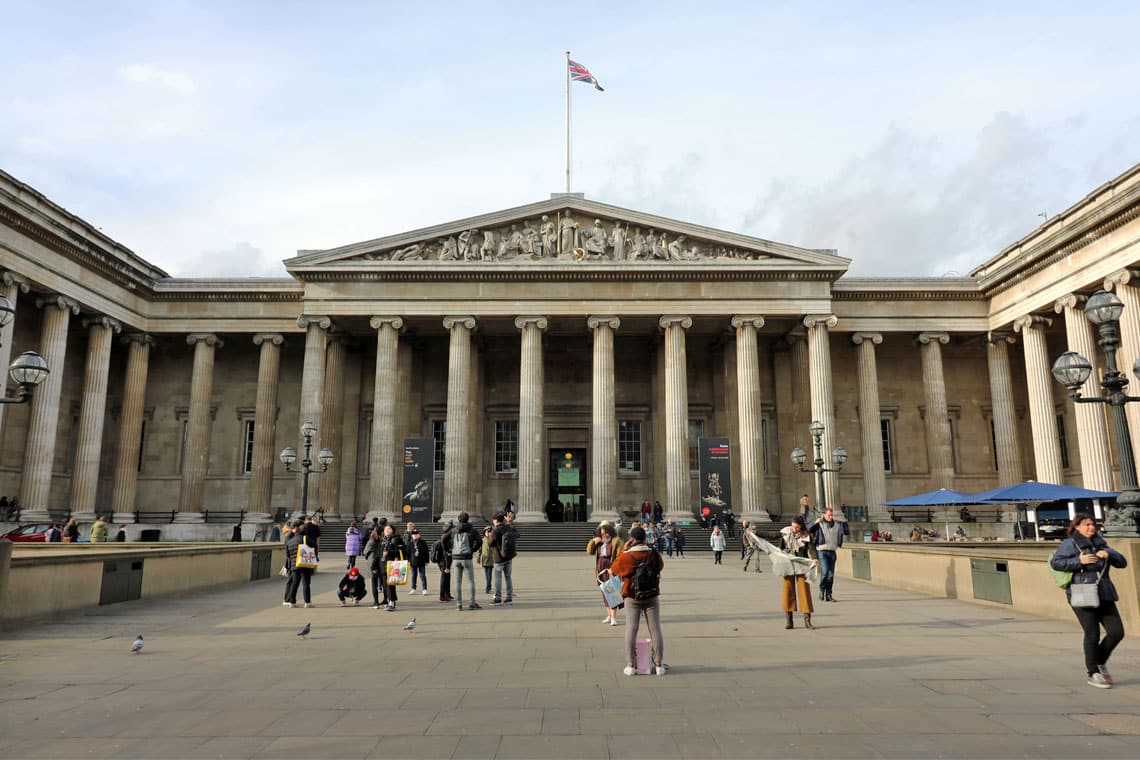
The British Museum was created by an act of Parliament in 1753 & opened to the public in 1759. The museum combined the collections of Sir Hans Sloane with the Cotton, Harley & Royal Libraries creating a vast collection of historic & scientific objects. The museum is housed in a collection of buildings entered through a magnificent Greek revival building designed by Sir Robert Smirke. Today The British Museum is free to visit & is home to more than 60 free galleries where you can enjoy tours, talks & family activities. You’ll also find a range of shops & five restaurants at the museum.
Highlights
- The British Museum is free to visit although some special exhibitions may charge an entrance fee.
- More than 60 free galleries to explore.
- A range of tours, talks & family activities.
- Special out of hours & member events.
- A number of shops & five restaurants.